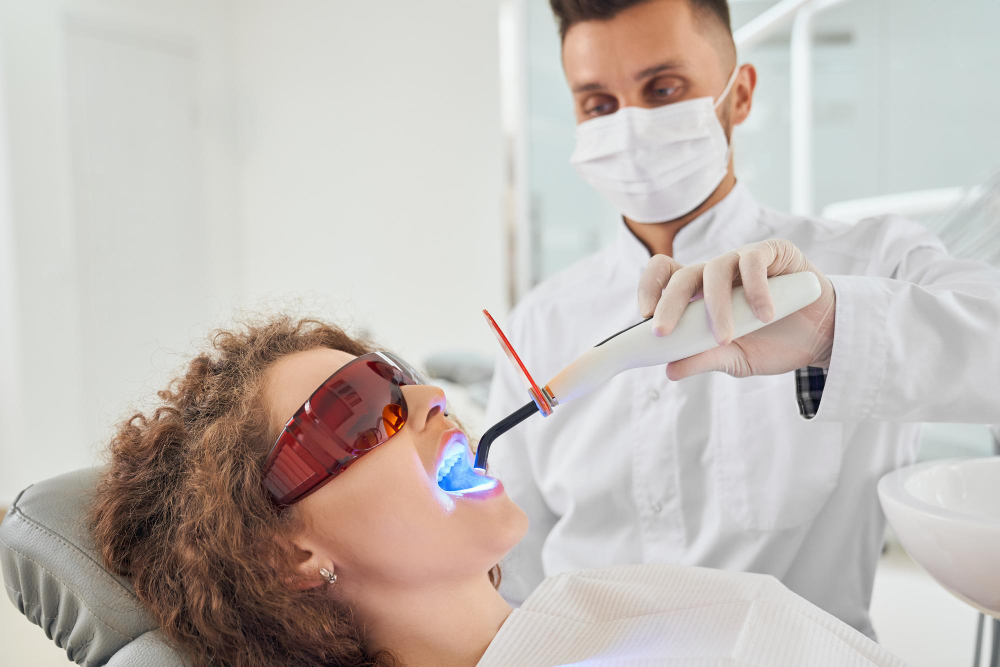
Many people feel a sharp pain in their teeth when eating cold or hot foods. This is called tooth sensitivity. For some, it can make daily life uncomfortable. Thankfully, modern dental solutions can help. One of the newest options is laser dentistry for tooth sensitivity. This treatment uses advanced technology to reduce tooth pain quickly and safely. In this blog, you will learn how laser dentistry works, its benefits, and what to expect during the procedure.
What Is Tooth Sensitivity?
Tooth sensitivity means feeling pain or discomfort in your teeth. Often, this happens when you eat or drink something cold, hot, sweet, or sour. Sometimes, even breathing in cold air can trigger it. For example, you might feel a sudden sting when you bite into ice cream. Common triggers include:
Usually, the pain is brief but sharp. However, it can return often if the cause is not treated.
How Does Laser Dentistry Work?
Laser dentistry is a modern dental solution that uses focused light energy. Dentists use a special laser device to treat sensitive teeth. The laser targets the tiny tubes in your teeth that send pain signals. As a result, it helps block these signals and reduces pain. The laser also helps seal the tooth surface. This makes it harder for triggers like cold or heat to reach the nerves. In most cases, the procedure is quick and does not require anesthesia. Many patients feel relief after just one session.
Benefits of Laser Dentistry for Tooth Sensitivity
Laser treatment for sensitive teeth offers many advantages. Some of the main benefits include:
Because of these benefits, more people are choosing laser dentistry for tooth sensitivity.
What to Expect During the Procedure
Knowing what happens during laser treatment can help you feel at ease. Here is a simple step-by-step guide:
Most people find the experience easy and stress-free.
Is Laser Dentistry Safe?
Laser dentistry is considered safe for most people. Dental lasers are approved by health authorities, including the U.S. Food and Drug Administration (FDA). Side effects are rare, but some people may feel mild warmth or tingling. Usually, there is no bleeding or swelling. However, it is important to see a trained dental specialist. They will decide if laser dentistry is right for you. People with certain health conditions should talk to their dentist first.
Aftercare and Recovery Tips
After laser treatment, most people recover quickly. Still, you can follow these simple tips for the best results:
With proper care, your teeth should stay comfortable after treatment.
Prevention and Lifestyle Advice
Even after laser treatment, it is important to protect your teeth. Here are some ways to prevent tooth sensitivity in daily life:
By following these tips, you can help keep your teeth healthy and pain-free.
Frequently Asked Questions
How long does laser treatment for sensitive teeth last?
For many people, relief lasts several months or longer. However, results can vary. Your dentist can give you a better idea based on your needs.
Does laser dentistry hurt?
Most patients say the procedure is painless. Some may feel a mild warm or tingling feeling, but it goes away quickly.
Is laser dentistry for tooth sensitivity covered by insurance?
Coverage depends on your dental plan. It is best to check with your insurance provider before treatment.
Can anyone get laser treatment for sensitive teeth?
Laser dentistry is safe for most people. However, your dentist will check your teeth and health to make sure it is right for you.
Conclusion & Call-to-Action
Tooth sensitivity can make eating and drinking uncomfortable. But now, laser dentistry offers a quick and gentle solution. This modern dental treatment can help reduce tooth pain with laser technology. If you are looking for fast relief, consider this option. Consult a dental specialist DrPriyanka Reddy to see if laser dentistry is right for your tooth sensitivity.