What Are Bite Problems?
Bite problems happen when your teeth do not line up as they should. These issues include overbite, underbite, and crossbite. Each type affects how your teeth fit together when you close your mouth. Because bite problems can cause discomfort, it is important to understand them.
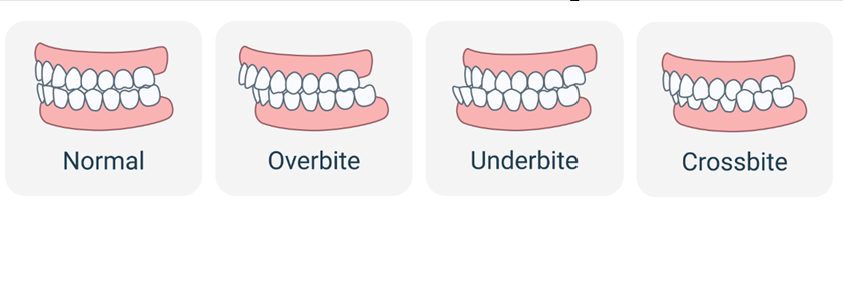
An overbite means your upper front teeth cover your lower front teeth too much. An underbite is when your lower front teeth stick out past your upper front teeth. A crossbite happens when some upper teeth sit inside your lower teeth instead of outside. Since these problems can affect your smile and health, early care is helpful.
Common Symptoms and Signs
Bite problems often show clear signs. However, some people may not notice them right away. Here are common symptoms to watch for:
For example, an overbite may cause your front teeth to wear down. On the other hand, an underbite can make chewing tough. Because these symptoms can get worse over time, early attention is best.
Causes and Risk Factors
Many things can lead to bite problems. Some causes start early in life. Others develop over time. Here are some common causes and risk factors:
Because habits and genetics both play a role, it is important to watch for early signs in children. Even adults can develop bite issues due to injury or tooth loss.
Diagnosis Methods
To find out if you have a bite problem, a dentist or orthodontist will check your teeth and jaws. Usually, they will:
Because early diagnosis helps prevent more problems, regular dental checkups are important. If you notice any bite issues, talk to your dentist soon.
Treatment Options for Bite Problems
Treatment depends on the type and severity of the bite problem. Thankfully, many options are available. Here are some common treatments:
Because each person is different, your dentist will suggest the best plan. Overbite symptoms, underbite treatment, and crossbite correction all need expert care.
Lifestyle Tips and Home Care
While professional treatment is key, home care can help manage bite problems. Here are some tips:
Because good habits support treatment, they can also prevent new issues from starting.
Prevention Strategies
Although not all bite problems can be prevented, some steps can lower your risk. For example:
Because early action makes a difference, regular dental visits are important for children and adults.
Conclusion
Bite problems like overbite, underbite, and crossbite can affect your health and confidence. However, with early diagnosis and the right treatment, most people see great results. If you notice any symptoms, do not wait. Consult Dr Priyanka Reddy for personalized advice on bite problems.