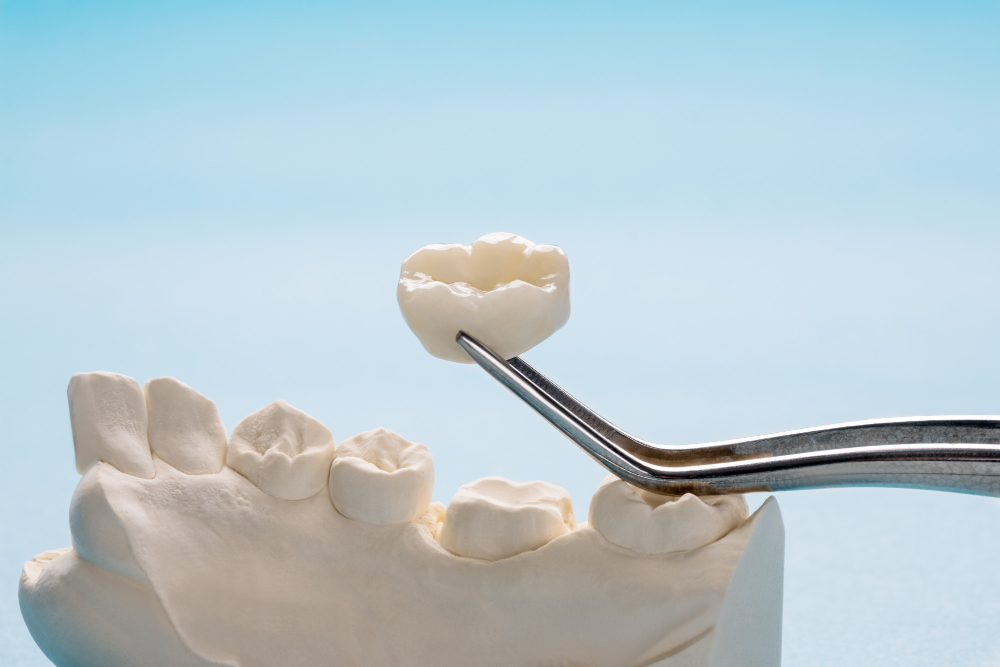
What Is a Dental Crown?
A dental crown is a cap that covers a damaged or weak tooth. It helps restore the tooth’s shape, size, and strength. Often, dentists use crowns to protect teeth after a root canal or a large filling. Crowns also improve the look of your smile. Many people choose dental crowns for long-lasting tooth restoration.
Reasons for Getting a Dental Crown
There are several reasons why your dentist may suggest a dental crown. For example, you might need one if your tooth is cracked or worn down. Sometimes, crowns are used after a root canal to protect the tooth. In addition, crowns can cover a dental implant or hold a dental bridge in place. Here are some common reasons:
Protecting a weak or cracked tooth
Restoring a broken or worn-down tooth
Covering a tooth with a large filling
Improving the look of a misshapen or discolored tooth
Covering a dental implant
Holding a dental bridge in place
Step-by-Step Dental Crown Procedure
Knowing what happens during a dental crown procedure can help you feel more at ease. Usually, the process takes two visits to your dentist. Here is a step-by-step guide:
Exam and Preparation: First, your dentist checks your tooth and takes X-rays. If the tooth is badly decayed, you may need a root canal before getting a crown.
Shaping the Tooth: Next, your dentist numbs the area. Then, they shape the tooth to make space for the crown. Sometimes, if a large part of the tooth is missing, the dentist builds it up with filling material.
Impressions: After shaping, your dentist takes an impression of your tooth. This helps create a crown that fits well. Some offices use digital scans instead of traditional molds.
Temporary Crown: While the permanent crown is made, your dentist places a temporary crown. This protects your tooth and lets you eat and speak normally.
Permanent Crown Placement: At your second visit, the dentist removes the temporary crown. Then, they check the fit and color of the new crown. If everything looks good, the dentist cements the crown in place.
What to Expect During and After the Procedure
During the dental crown procedure, you will feel little to no pain. Your dentist uses local anesthesia to numb the area. However, you may feel some pressure while the tooth is shaped. After the first visit, your tooth may feel sensitive. This is normal and should go away in a few days. Once the permanent crown is placed, your bite may feel different at first. But most people adjust quickly. If you notice pain or the crown feels too high, contact your dentist.
Recovery and Aftercare Tips
Taking care of your new dental crown is important. Here are some tips to help you recover and keep your crown in good shape:
Brush and floss your teeth every day
Avoid sticky or hard foods for a few days
Use a soft-bristled toothbrush
Rinse with warm salt water if your gums feel sore
See your dentist for regular checkups
With good care, dental crowns can last many years. However, if your crown feels loose or cracks, call your dentist right away.
Frequently Asked Questions
Does getting a dental crown hurt?
Most people feel little pain because the dentist numbs the area. You may feel mild soreness after the procedure.
How long does a dental crown last?
With proper care, crowns can last 5 to 15 years or even longer.
Can I eat normally with a dental crown?
Yes, but avoid very hard or sticky foods, especially right after the procedure.
Are dental crowns safe?
Yes, dental crowns are safe and widely used. Dentists follow strict safety guidelines.
How do I clean my dental crown?
Brush and floss as you would with your natural teeth. Regular dental visits are important, too.
If you have more questions or need advice, consult your dentist at Priyanka Dental clinic for personalised advice about dental crowns.